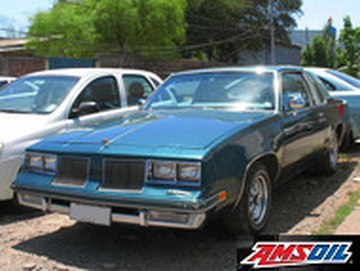
Maintenance and Lubrication for the 1981 Oldsmobile CUTLASS 5.7L Diesel
Owning a diesel-powered vehicle from the early 1980s requires a specific approach to routine maintenance. The 1981 Oldsmobile CUTLASS equipped with the 5.7L diesel engine relies on consistent lubrication and careful monitoring of fluid conditions to maintain operational integrity. Because diesel engines operate under different mechanical stresses than their gasoline counterparts, following a disciplined service regimen is essential for long-term ownership.
Monitoring Fluid Integrity and Condition
One of the most effective ways to monitor the health of the 5.7L engine is through regular observation of the lubricant. The appearance and consistency of the oil can provide important clues regarding the internal state of the engine. When performing routine checks, it is useful to look for any significant changes in the fluid's color or texture.
If the oil appears excessively dark or contains visible particulates, it may indicate that the lubricant has reached the end of its effective service life or that the filtration system requires attention. Furthermore, any unusual odors or a milky appearance in the oil can be associated with various internal conditions and should be investigated promptly. Rather than attempting to diagnose a specific component based on these visual cues, owners should treat such observations as indicators that a more thorough inspection is necessary.
Practical Inspection Priorities for Aging Engines
As vehicles from this era age, maintenance priorities often shift from simple fluid changes to more comprehensive inspections of the engine compartment. For a 1981 Oldsmobile CUTLASS, focusing on the condition of various components can help prevent unexpected issues.
- Sealing Surfaces: Inspect gaskets and seals for signs of age-related seepage or leakage. Even minor weeping around sealing surfaces should be noted to prevent larger issues later.
- Hoses and Connections: If present, examine engine hoses for signs of hardening, cracking, or bulging. Similarly, check electrical connections for any evidence of corrosion or loose seating.
- Drive Components: If equipped, inspect accessible drive belts for signs of glazing, fraying, or surface cracking.
- Air Filtration: Ensure the air intake system is free of debris and that the filtration element is clean, as unrestricted airflow is vital for efficient combustion.
By conducting these inspections during every oil service, an owner can establish a clearer understanding of the vehicle's current mechanical state. This proactive approach allows for addressing minor concerns before they escalate into more significant repair requirements.
Managing Long-Term Engine Health
Effective long-term ownership is often built upon the foundation of organized record-keeping. For an older diesel application, knowing the history of what has been serviced can be just as important as the service itself. If you are currently managing a vehicle with an incomplete service history, establishing a maintenance baseline is a prudent first step.
This involves performing a comprehensive inspection and documenting the current condition of all fluids, filters, and major engine components. Once this baseline is established, you can accurately track changes in fluid consumption or any new mechanical symptoms that arise over time. Keeping detailed records of every oil change, filter replacement, and repair helps distinguish between routine maintenance needs and actual mechanical changes. This data becomes invaluable when deciding whether a component requires preventive replacement or if it can continue to operate reliably based on its observed condition.
Identifying Potential Warning Signs
While many maintenance tasks are scheduled, being observant of daily operating characteristics is equally important. Certain symptoms may indicate that the engine requires immediate attention. For example, an unusual mechanical noise during startup or operation warrants investigation. Similarly, if you notice a change in how the engine responds to throttle inputs or if there is evidence of unexpected fluid loss, these should not be ignored.
It is important to remember that many symptoms can have multiple underlying causes. An oil-related warning light or an unusual exhaust condition does not automatically point to one specific failure; instead, these signs serve as prompts to investigate the system thoroughly. Addressing these indicators early can assist in maintaining the overall stability of the 5.7L diesel engine.
The Role of Consistent Lubrication
In any internal combustion engine, the lubricant performs several vital roles that extend beyond simple friction reduction. It assists in managing the thermal loads generated during operation and helps to carry away heat from critical areas. Additionally, a high-quality lubricant is designed to suspend contaminants, preventing them from settling and forming deposits within the engine architecture.
For diesel engines, maintaining the correct properties of the lubricant is essential for ensuring that all moving parts remain adequately protected under varying loads. Consistent adherence to service intervals ensures that the additives within the oil—which are designed to manage oxidation and maintain cleanliness—remain at effective concentrations. This helps prevent the buildup of sludge and other residues that can interfere with engine performance over time.
Buying Engine Oil for your 1981 Oldsmobile CUTLASS 5.7L
When it is time to replenish your engine's lubricant, the most important step is to ensure the product matches the specific requirements of your application. Because different engines have unique needs regarding additive packages and chemical stability, you should always refer to the vehicle-specific oil viscosity and application information provided on this webpage.
Before making a purchase, carefully check the product labeling to confirm it meets the necessary standards for your engine. You may encounter various options, including conventional, synthetic blends, or full synthetic formulations. Some high-mileage oil formulations also contain additives intended for use in aging engines, such as seal-conditioning agents. However, rather than choosing a type based on general assumptions about the vehicle's age, always prioritize the specific viscosity and service information listed in your application data to ensure proper compatibility and protection.